Systems that ensure people continue to work correctly as technology, workflows, and conditions change. Not training but Infrastructure.
AI tools change faster than people can continuously relearn. Organizations respond with training, but people fall out of sync as new workflows appear.
Without clear ownership, capability drift becomes invisible. Accountability weakens and execution standards diverge.
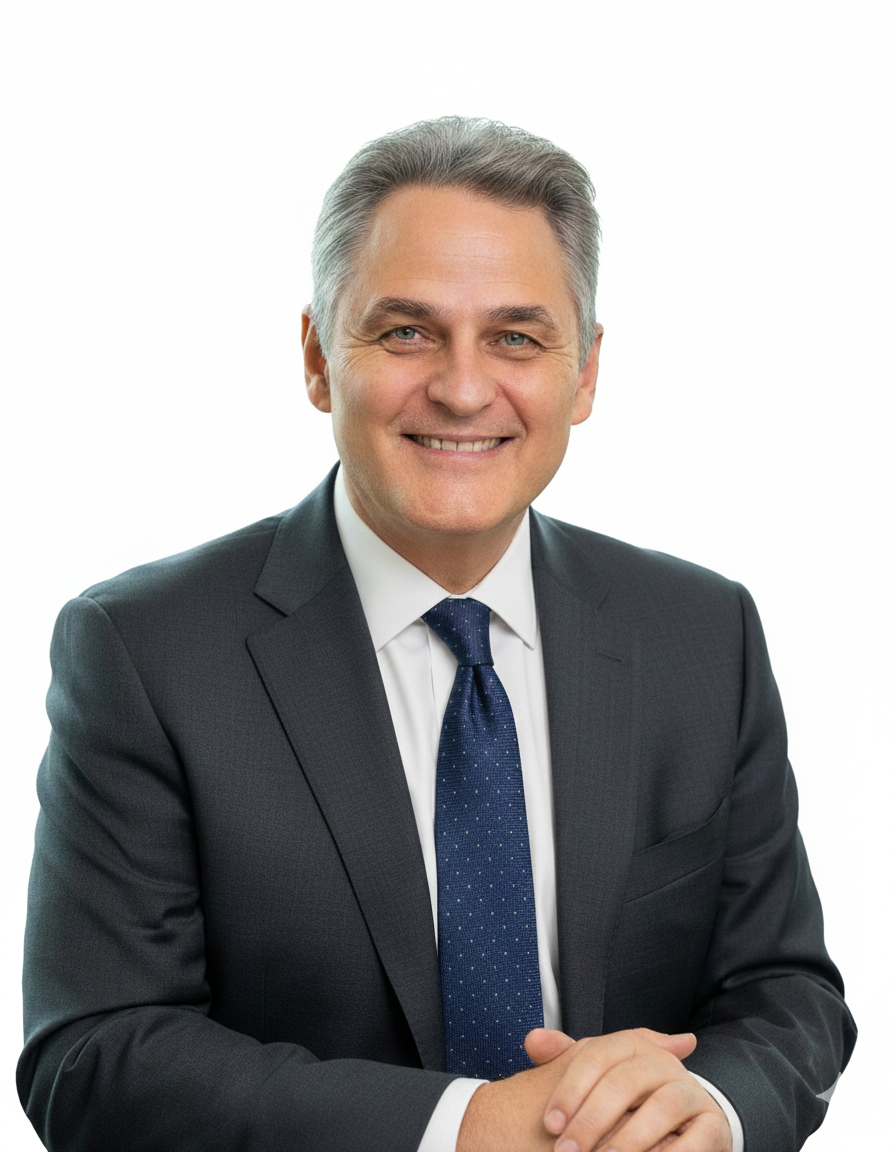
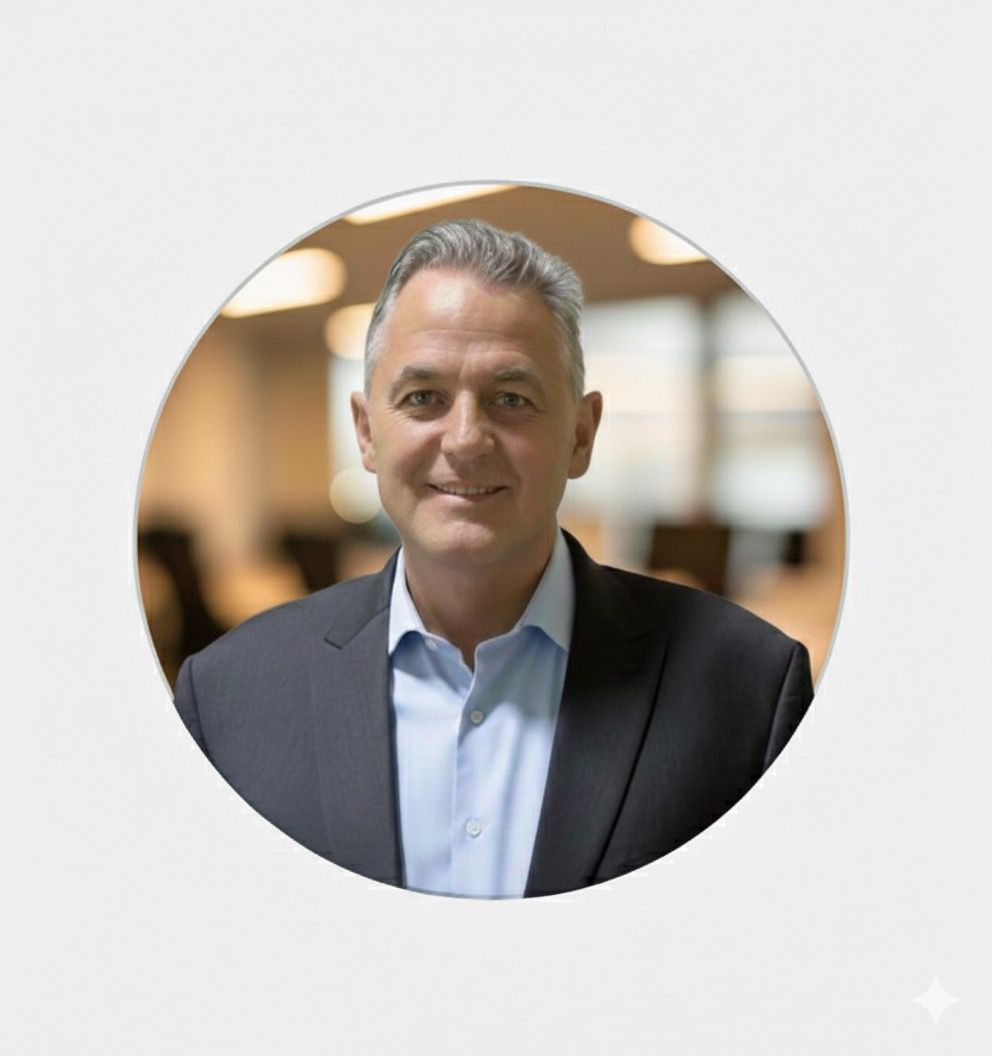
Mr. Günther Erwin Hess
Co-Founder, Principal Architect — AI Covenant Systems
Take our 2-minute diagnostic. Get instant clarity on your human capability infrastructure.
START CHECKUnderstand your current capability gaps and execution risks in real-time.
Identify where to deploy AI first for the highest operational ROI.
Detect drift before it scales and ensure compliance standards are met.
Governing capability as a system, not a service.
HDOS governs workforce capability at scale through continuous governance cycles.
It ensures:
This prevents invisible degradation of performance and accountability.
Clear accountability ensures capability does not drift.
Single accountable role for ensuring workforce capability remains aligned as AI-driven change continues.
"Mirrors regulatory roles such as the Data Protection Officer."
Capability ownership flows from executive governance to daily execution.
Organizations invest heavily in new systems, tools, and AI. Initial performance improves.
Over time, shortcuts emerge, and workarounds replace standards.
The gap between how work is designed and how it is actually done quietly grows.
APO exists to close this gap through capability governance.
Systems, Tools, AI adoption
Workarounds & Alignment Gap
Continuous Calibration
"One calibration cycle: prompt structure degraded, new features untouched. Two targeted sessions. Output restored. 4 hours total."— Marketing Team, Singapore
Building AI capability infrastructure across 15+ nations. Singapore. East Africa. Southeast Asia.
Capability decay is gradual and often invisible.
It emerges as systems, tools, and workflows change faster than habits adjust.
Interfaces and features change regularly. Execution slows as people hesitate or rely on memory.
Workarounds replace standard processes. Teams execute differently while believing they are aligned.
Old habits return. Outcomes become inconsistent and accountability weakens.
A 90-day cadence allows organizations to detect drift early, correct execution, and verify alignment before problems scale.
For professionals, consultants, and SME teams. We audit your real workflows, patch the gaps, and verify the fix every 90 days.
One recalibrated employee saves $250-500/month in productivity. Pays for itself.
Governance rhythm at organizational scale. Multi-department deployment for enterprises, government agencies, and SEZ operators.
Current: Verde Tech Group — JS-SEZ Malaysia pilot
Free HCDI Diagnostic. 3 minutes. 6 dimensions.
"Calibration corrects drift. Certification verifies that capability has been restored and remains current."
Practical AI training and calibration designed to deliver immediate results and long-term capability.
2 sessions. Overcome AI fear. Deliver immediate practical wins. For individuals and small teams new to AI tools.
Save 5+ hours/week with AI sales scripts and automations. Live implementation with your actual pipeline.
Complete AI business system, MVP, and 90-day growth plan with personal coaching. From USD 800.
6 weeks. Build persistent AI memory systems that compound your team’s knowledge. From USD 1,400.
Process automation, team training, ROI-driven implementations. Custom scope for enterprises across Southeast Asia.
Ready-to-implement systems: sales playbooks, content engines, productivity workflows for immediate scaling.
APO governance models are operating in real organizational conditions, not ideal scenarios.
HQ and architecture
JS-SEZ capability governance
Workforce calibration pilots
Co-Founder, Principal Architect — AI Covenant Systems
APO MLAB Pte Ltd (Singapore)
Günther Erwin Hess is a senior systems architect and AI transformation leader with over 20 years of cross-cultural enterprise experience across Europe, Southeast Asia, and Africa. With a background that includes consulting engagements with KPMG and SAP environments, he brings deep expertise in designing and operationalising large-scale capability and workforce systems for complex, multi-stakeholder organisations.
Günther specialises in AI-enabled workforce planning, capability operating systems, and enterprise-grade AI architecture, focusing on the integration of human capability, digital intelligence, and operational governance. His work emphasises building foundational systems that allow organisations to scale sustainably, align talent with execution needs, and maintain operational coherence across diverse functions and geographies.
He has led and delivered programmes across Germany, Singapore, Malaysia, the Philippines, Kenya, Uganda, and Rwanda, supporting enterprises, public-sector bodies, and ecosystem developers. His experience includes designing 90-day synchronisation frameworks that bring leadership, operations, and workforce execution into aligned cycles—reducing fragmentation, accelerating readiness, and improving delivery outcomes.
Known for his systems-first approach, Günther focuses on deploying AI as infrastructure rather than tools, ensuring governance, interoperability, and long-term resilience. His work supports organisations navigating transformation, regulatory complexity, and rapid scale-up while maintaining clarity of accountability and execution discipline.
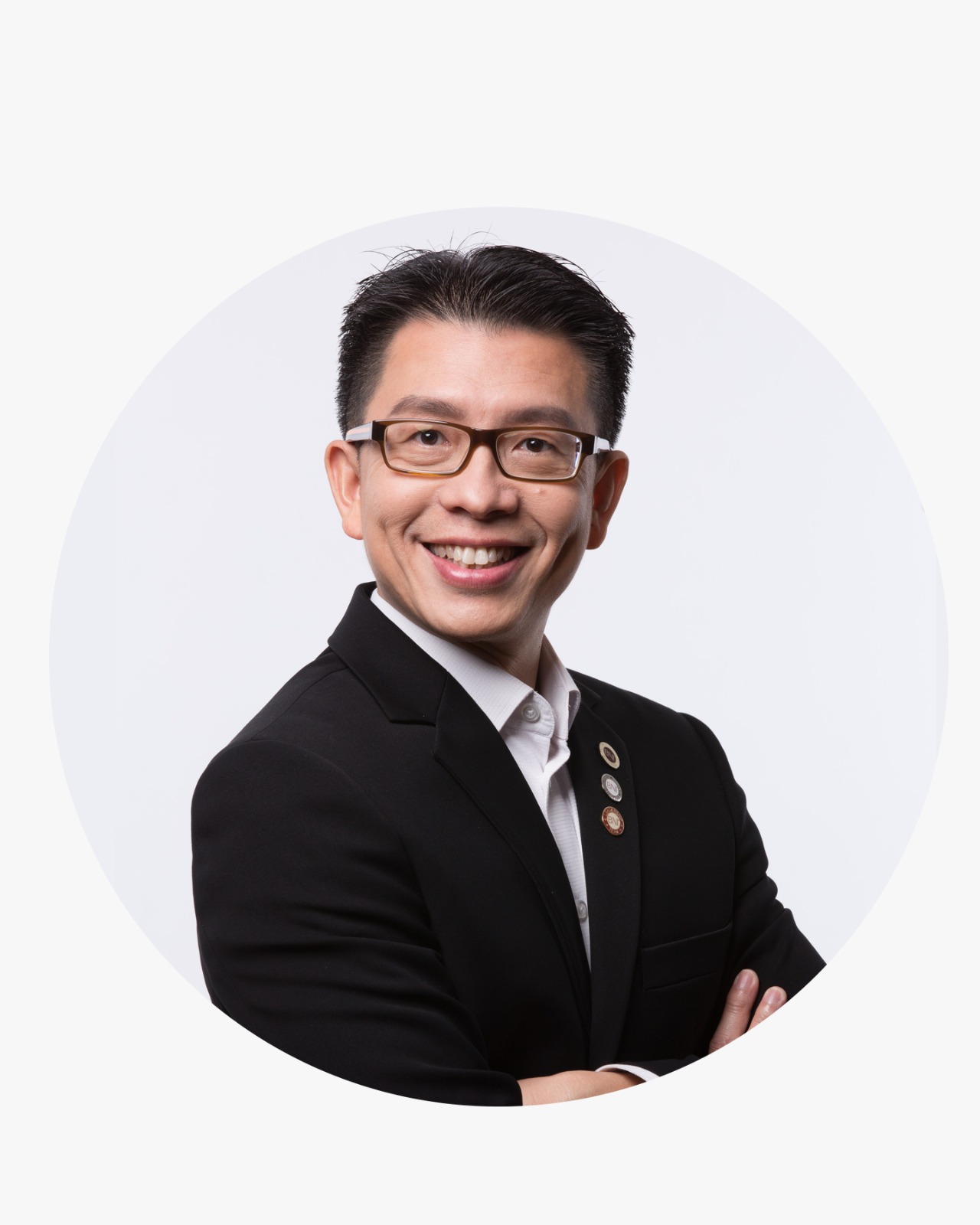
Co-Founder | Chief Market Strategist & Capability Development Lead
APO MLAB Pte Ltd (Singapore)
Ezekiel Ang specializes in the structured integration of AI capability systems within the SME sector. As Co-Founder of APO MLAB, he focuses on making AI adoption commercially viable and operationally defensible — moving organizations beyond tool dependency toward full organizational capability.
Drawing on direct market development experience across Singapore, Malaysia, Philippines, Indonesia, Vietnam, and South Africa, Ezekiel addresses the core bottlenecks that limit SME scalability: inconsistent execution, accountability gaps, and workflow fragmentation. His methodology is built on three pillars — clear SOP architecture, ownership-driven accountability structures, and rigorous calibration cycles tied to business outcomes.
By aligning AI capability systems with local market realities and compliance requirements, Ezekiel enables business leaders to scale through systemization — reducing operational risk while building institutional resilience.
APO MLAB builds Human Capability Infrastructure to ensure execution reliability as AI and systems evolve.
We design systems that make capability visible, assign accountability, and preserve alignment over time.
"Gunther's ability to simplify complex AI architectures into actionable SME frameworks is unparalleled. His cross-cultural background makes him a unique asset."
"Working with Gunther on the Rwanda AI initiative was eye-opening. He understands how to build systems that actually work on the ground, not just on paper."
"His expertise in multi-agent systems helped us automate workflows we thought were impossible. Truly a visionary in the enterprise AI space."
APO MLAB helps your company move from people-dependent operations to a structured AI-assisted operating system, so the business can run consistently even without constant owner involvement.
Unlike typical courses, APO MLAB implements workflows directly inside your business. You don’t just learn AI — you leave with operational systems already working.
No. APO MLAB is designed specifically for business owners and managers, not programmers.
Yes. APO MLAB translates AI into daily operations such as sales, hiring, admin, and reporting.
Yes. Every APO MLAB session produces real outputs integrated into your company processes.
APO MLAB works best for service businesses, agencies, education, property, consulting, healthcare, and more operational MSMEs.
Yes — service companies usually see the fastest ROI with APO MLAB due to repeated communication workflows.
Yes — APO MLAB helps automate inquiries, order workflows, and operational reporting.
In APO MLAB, an SOP is no longer just a document — it becomes a working system where AI assists in executing the process.
APO MLAB usually starts with customer replies, follow-ups, onboarding, and reporting — the highest time-draining tasks.
APO MLAB uses AI to assist staff, not replace them. The goal is higher productivity, not downsizing.
Yes, which is why APO MLAB designs control layers and review steps.
APO MLAB builds approval checkpoints and structured instructions into workflows.
APO MLAB integrates AI with commonly used business platforms you already operate.
No. APO MLAB starts using free or trial tools first, then only recommends paid plans once ROI is proven.
Yes. APO MLAB designs systems around your current tools whenever possible.
Yes — APO MLAB systems can respond to common questions and assist front-line communication.
Yes — APO MLAB can automate summaries and performance reporting.
Many APO MLAB clients start seeing time savings within weeks after implementation.
APO MLAB implementations typically save 5–15 owner hours weekly depending on workflow complexity.
With APO MLAB, you keep the systems and know how to maintain them. We do 90 days calibration with a Monday subscription.
APO MLAB designs systems simple enough for everyday staff usage.
Yes — implementation is a core part of the APO MLAB program.
APO MLAB introduces AI gradually so teams see it as assistance, not replacement.
APO MLAB tracks response time, workload reduction, and consistency improvements.
APO MLAB recommends tracking turnaround time, response speed, error rate, and owner involvement.
The APO MLAB 90-Day Calibration is a follow-up phase where systems are refined based on real business usage.
APO MLAB recognises that real operations evolve — calibration ensures systems stay effective.
Yes — APO MLAB builds workflows based on your actual processes.
APO MLAB schedules regular guided sessions during calibration.
Yes — APO MLAB continuously adjusts what doesn’t work in real conditions.
Yes — APO MLAB improves instructions as your operations grow.
APO MLAB provides support through online communication and live sessions.
APO MLAB designs workflows aligned with responsible data handling practices.
APO MLAB teaches safe usage and boundaries for data handling.
APO MLAB does not store your operational business data.
APO MLAB implements approval and restriction layers where necessary.
Yes — responsible AI usage is part of the APO MLAB methodology.
APO MLAB positions AI as a workload reducer, not a job replacer.
APO MLAB improves staff productivity rather than eliminating roles.
Yes — APO MLAB systems support sales, HR, admin, and operations.
Yes — APO MLAB automates operational visibility.
APO MLAB primarily trains leaders so systems cascade to teams easily.
APO MLAB engagements are structured by implementation phases.
APO MLAB includes training, workflow design, implementation guidance, and calibration.
Software subscriptions are separate from APO MLAB services.
APO MLAB provides support to help you catch up.
APO MLAB terms are shared during enrollment.
Yes — APO MLAB supports team enrollments.
Yes — APO MLAB supports international clients online.
APO MLAB primarily runs online & onsite sessions for flexibility.
APO MLAB schedules sessions based on cohort timing.
Yes — companies can enroll multiple participants in APO MLAB.
APO MLAB requires short setup effort but reduces ongoing workload.
APO MLAB focuses on workflow integration, not just prompts.
APO MLAB helps small businesses the most because owners carry many roles.
APO MLAB systems scale across departments.
APO MLAB teaches operational principles that adapt to new tools.
APO MLAB helps businesses adopt early before competitors catch up.